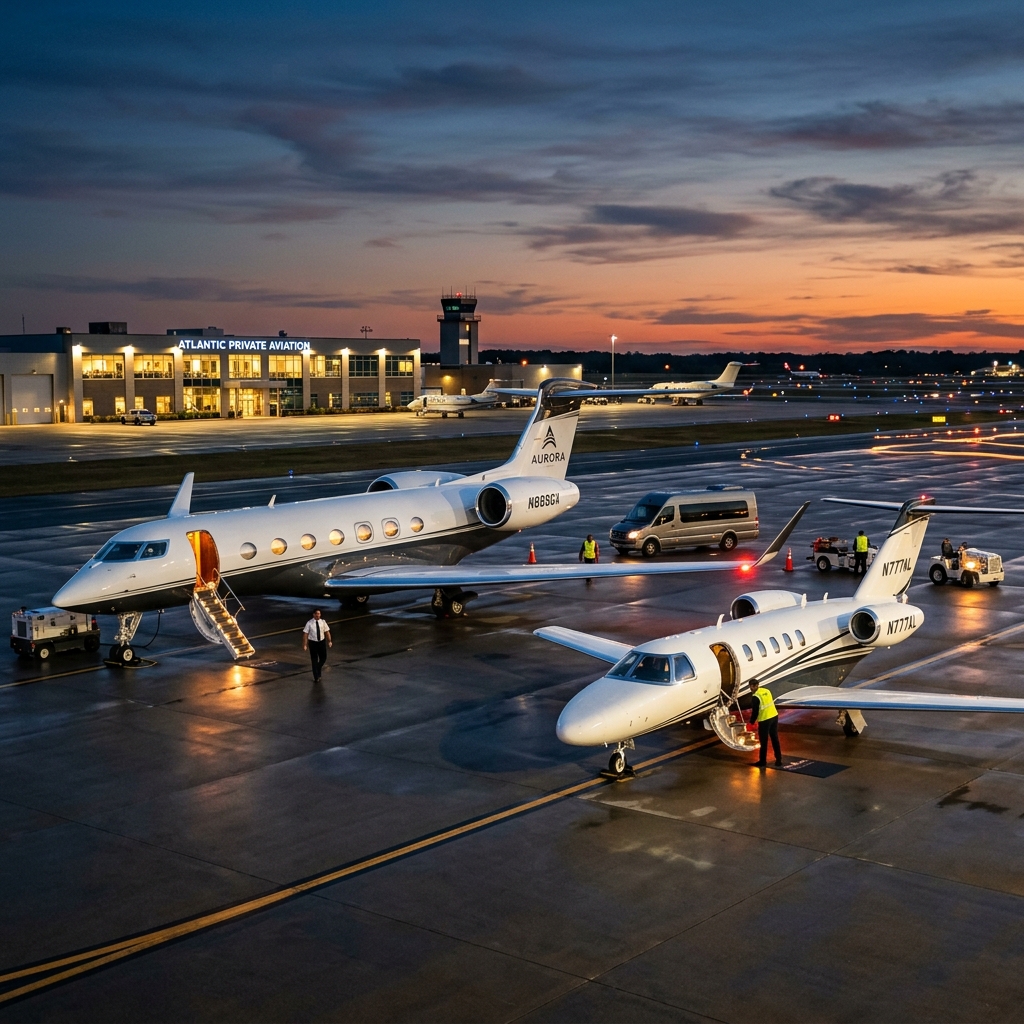
Featured Snippet: The Core Difference
The primary difference between a Heavy Jet and a Light Jet is range and cabin volume. A Light Jet (like a Phenom 300) seats 6-7 passengers, lacks a stand-up cabin, and is designed for short regional hops (under 3 hours). A Heavy Jet (like a Gulfstream G650) seats 12-16 passengers, features a massive stand-up cabin with beds and galleys, and can fly intercontinental routes (10+ hours) non-stop. Consequently, Heavy Jets cost significantly more to charter per hour.
Choosing the right aircraft is the most important decision you will make when chartering a private flight. Book an aircraft that is too small, and you'll find yourself making uncomfortable fuel stops on a cross-country trip. Book an aircraft that is too large, and you are wasting tens of thousands of dollars on unneeded capacity.
While the private aviation industry categorizes jets into several niches (Very Light, Light, Midsize, Super-Midsize, Heavy, and Ultra-Long-Range), understanding the extremes—Heavy Jets vs Light Jets—will help you grasp exactly what you are paying for.
Executive Briefing: Table of Contents
1. The Light Jet: Rapid Efficiency
Light Jets are the sports cars of the sky. They are built for efficiency, speed, and hopping between regional hubs.
Common Models: Embraer Phenom 300, Cessna Citation CJ4, Learjet 75.
- Range: Typically 1,500 to 2,000 nautical miles. Perfect for routes like London to Ibiza, or New York to Miami.
- Passenger Capacity: Usually capped at 6 or 7 passengers comfortably.
- Luggage: Very limited. If every passenger brings a large hard-case suitcase and golf clubs, you will exceed the weight and volume limits.
- Runway Access: A major advantage. Light jets can land on very short runways, giving you access to small, exclusive regional airports (e.g., St. Barts, Aspen) that heavy jets cannot physically land at.
2. The Heavy Jet: Ultimate Luxury and Range
Heavy jets are the floating penthouses of private aviation. They are designed for transoceanic travel and absolute comfort.
Common Models: Gulfstream G650, Bombardier Global 7500, Dassault Falcon 8X.
- Range: 6,000 to 7,500+ nautical miles. Capable of flying non-stop from Los Angeles to Tokyo, or New York to Dubai.
- Passenger Capacity: 12 to 16 passengers, often spread across multiple distinct "cabin zones" (e.g., a dining zone, a lounging zone, and a sleeping zone).
- Luggage: Massive holds capable of taking dozens of heavy bags, skis, and equipment.
- Runway Restrictions: Because of their massive weight and size, heavy jets must land at major international airports or very large private FBOs.
3. Cabin Comfort: Can You Stand Up?
The most shocking realization for first-time light jet flyers is the ceiling height.
Light Jets: The interior cabin height is usually around 4'9" to 5'0". You cannot stand up fully. You will have to stoop to get to your seat. Furthermore, the lavatory is often separated only by a thin curtain or a small wooden door, rather than an enclosed, solid room.
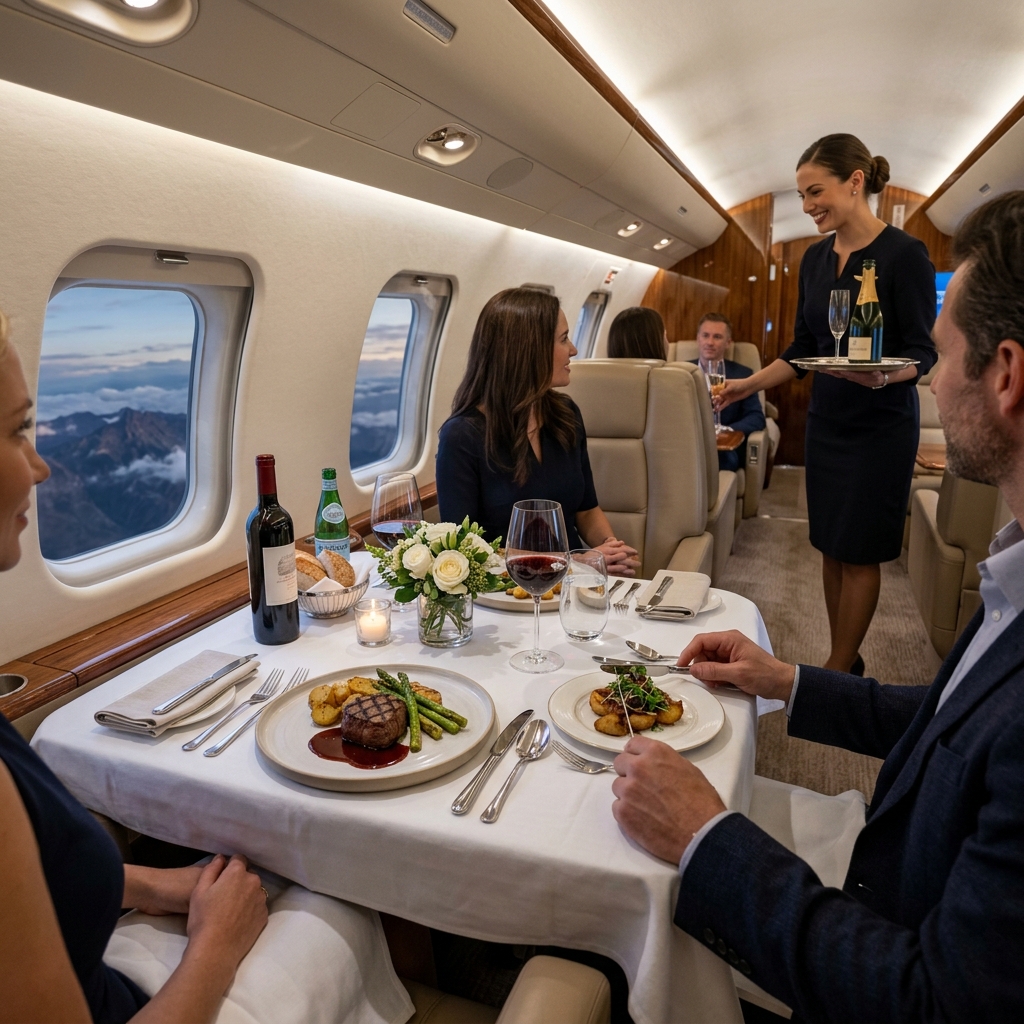
Heavy Jets: Featuring full "stand-up cabins" with ceiling heights of 6'2" or more. You can easily walk around the cabin during flight. They feature fully enclosed, spacious lavatories (sometimes two), and full galleys (kitchens) for preparing hot food.
4. Crew and Service Differences
The level of onboard service differs drastically between the two classes.
Light Jets: Usually operated by a two-pilot crew with no flight attendant. The pilots will offer you drinks and pre-packaged snacks before takeoff, but during the flight, you are serving yourself from the minibar.
Heavy Jets: Always staffed with at least one, often two, dedicated flight attendants. They prepare bespoke hot meals, pour champagne, and ensure the cabin is pristine throughout the 12-hour journey.
Let Us Match Your Mission
Our Brokers Will Select The Optimal Aircraft
Comparison Intelligence: FAQ
Can I stand up in a Light Jet?
Light jets typically have a cabin height of 4'9" to 5'0", meaning most adults will need to stoop while moving. Heavy jets offer full stand-up cabins (6'2"+) for maximum comfort.
Which jet class is safer?
Safety is identical across classes. All aircraft booked via ELB are held to the same global Part 135 safety standards. The choice between light and heavy is purely based on mission range and passenger capacity.
Do light jets have flight attendants?
Generally, no. Light jets are pilot-operated with self-service snacks and drinks. Heavy jets always include at least one professional flight attendant to manage full dining services.